Project Type
Speculative 3D Animation
Tools
Blender, Premiere Pro
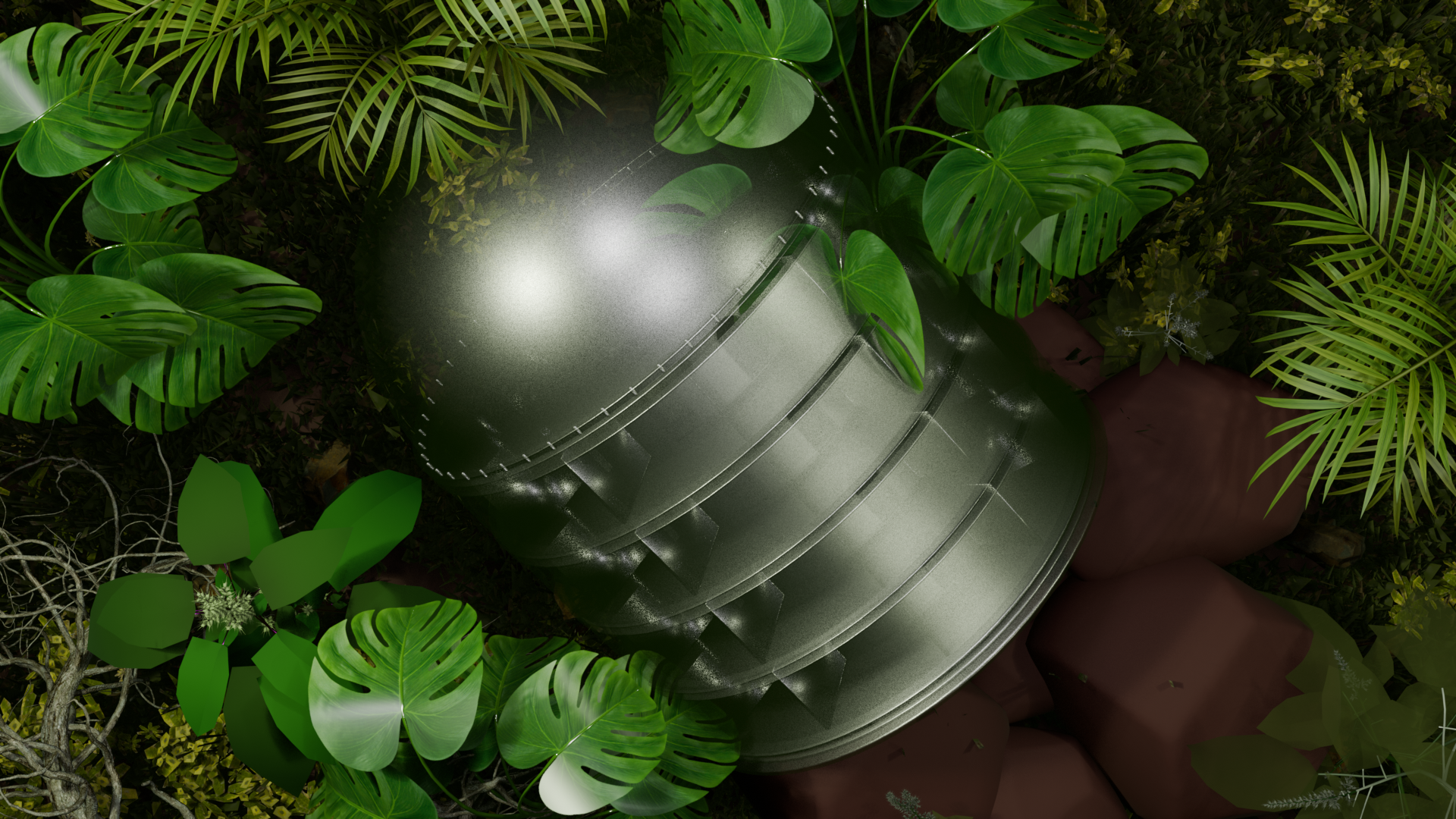
"The Algorithmic Garden" visualizes a technologically advanced utopian society where the price of peace is absolute conformity. Inspired by the Panopticon theory and Kurt Vonnegut’s Harrison Bergeron, the project reveals a world where lush vegetation conceals cold mechanisms of control.
The narrative follows an elderly man deemed "unfit" by the societal algorithm. Faced with a forced choice between euthanasia and body donation, his loyal dog triggers a final, fleeting act of emotional resistance. Through symbolic visual storytelling—featuring faceless puppets, surveillance towers disguised by foliage, and cages hidden in plain sight—the piece invites viewers to question the erasure of individuality in the face of algorithmic perfection.
In an advanced utopian society with a high degree of government and technological control
Are humans merely products of the system's continuous functioning?
Or if they remain independent individuals with personal will?
Theoretical Framework
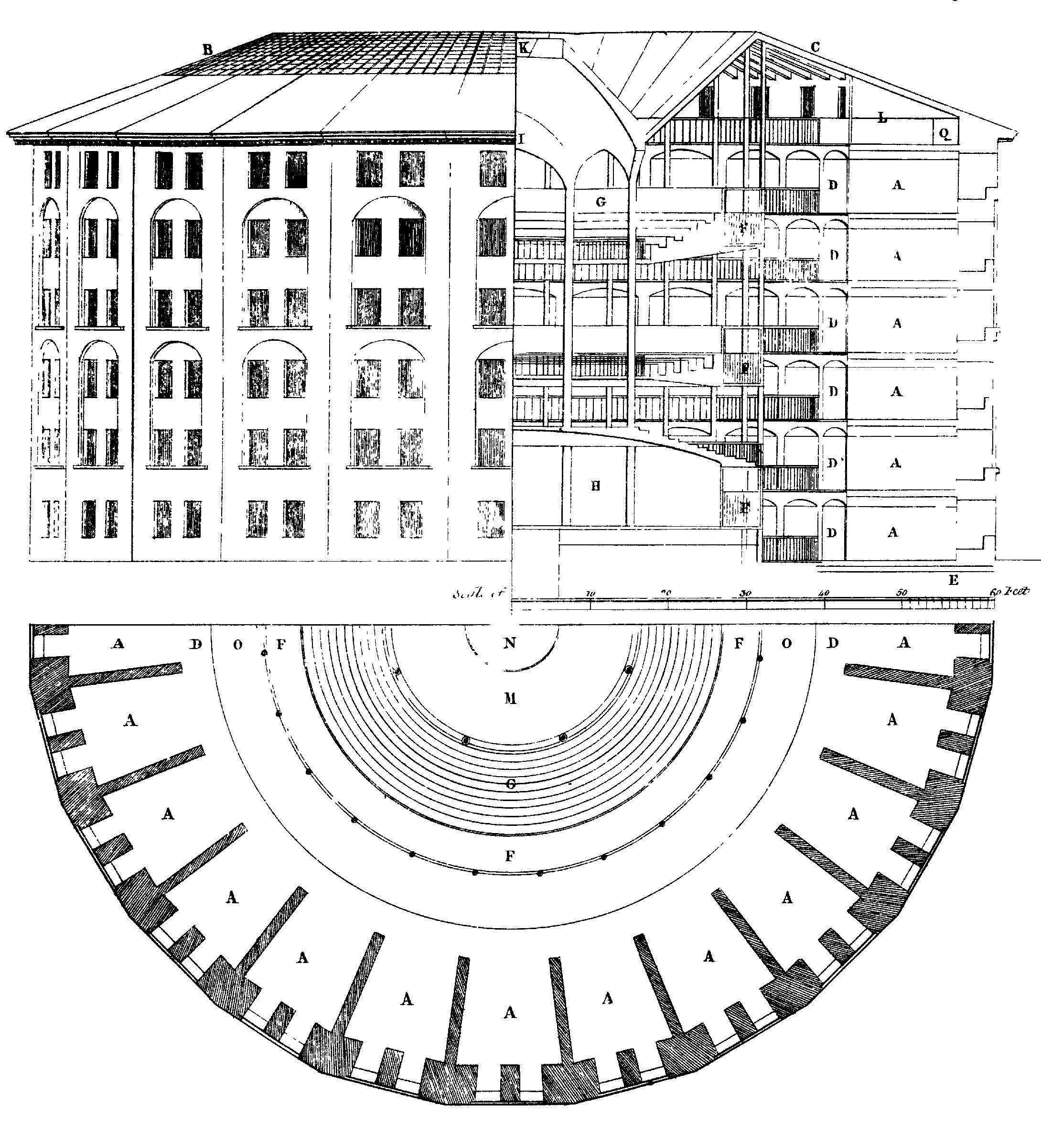
The Panopticon Effect
Based on Jeremy Bentham's concept, the society functions on the principle of constant visibility. Citizens regulate their own behavior under the assumption they are always being watched. In this "Garden," the surveillance is organic—hidden within the leaves and trees—creating a self-disciplining society where resistance is psychologically impossible before it is physically stopped.
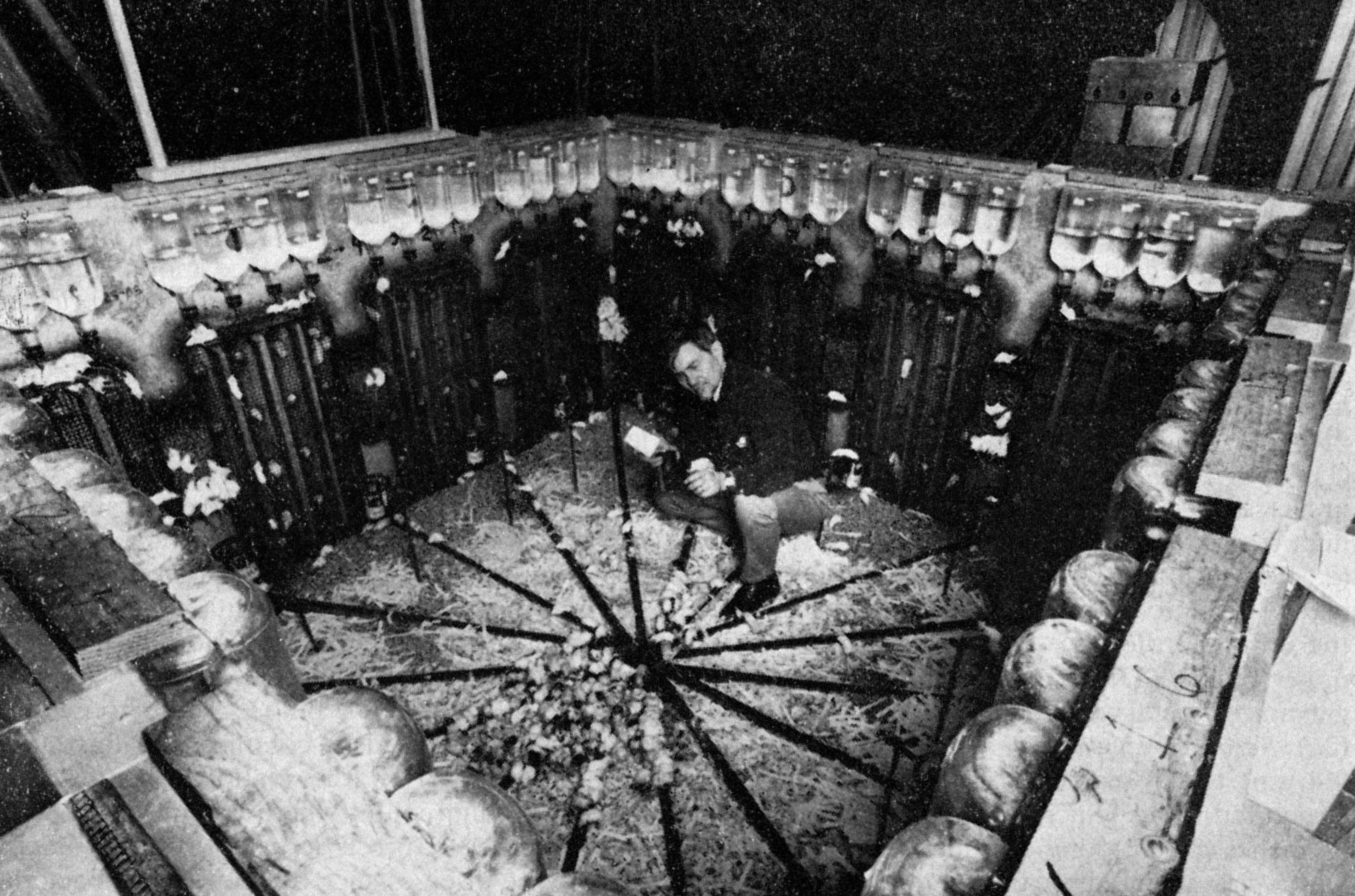
The "Universe 25" Warning
Drawing from John Calhoun’s "Mice Utopia" experiment, the project explores the social collapse that comes from resource abundance coupled with lack of purpose. The "Puppets" in the animation represent the end-state of this utopia: individuals who have all needs met but have become mere cogs in the machine, stripped of the struggle that defines humanity.
Visual Metaphors
The Panopticon Living Space
Inspired by the idea of the Panopticon. People living in this space are used to being constantly visible and being forced to be self-disciplined.
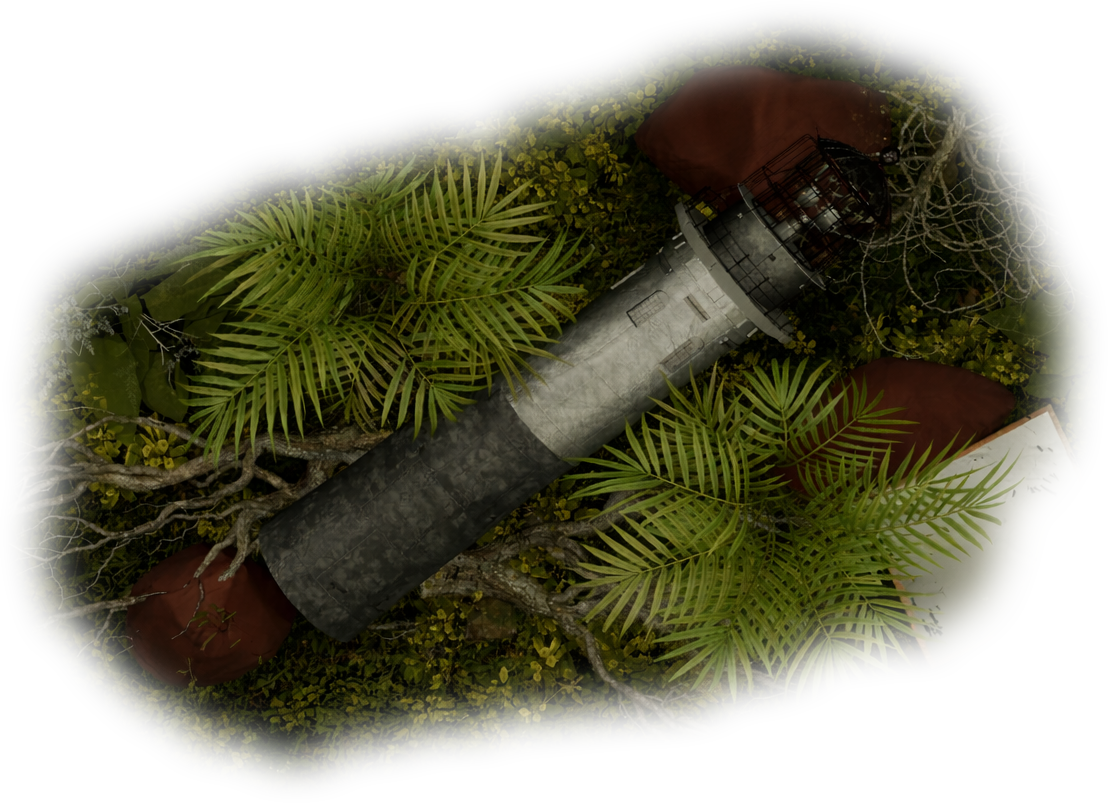
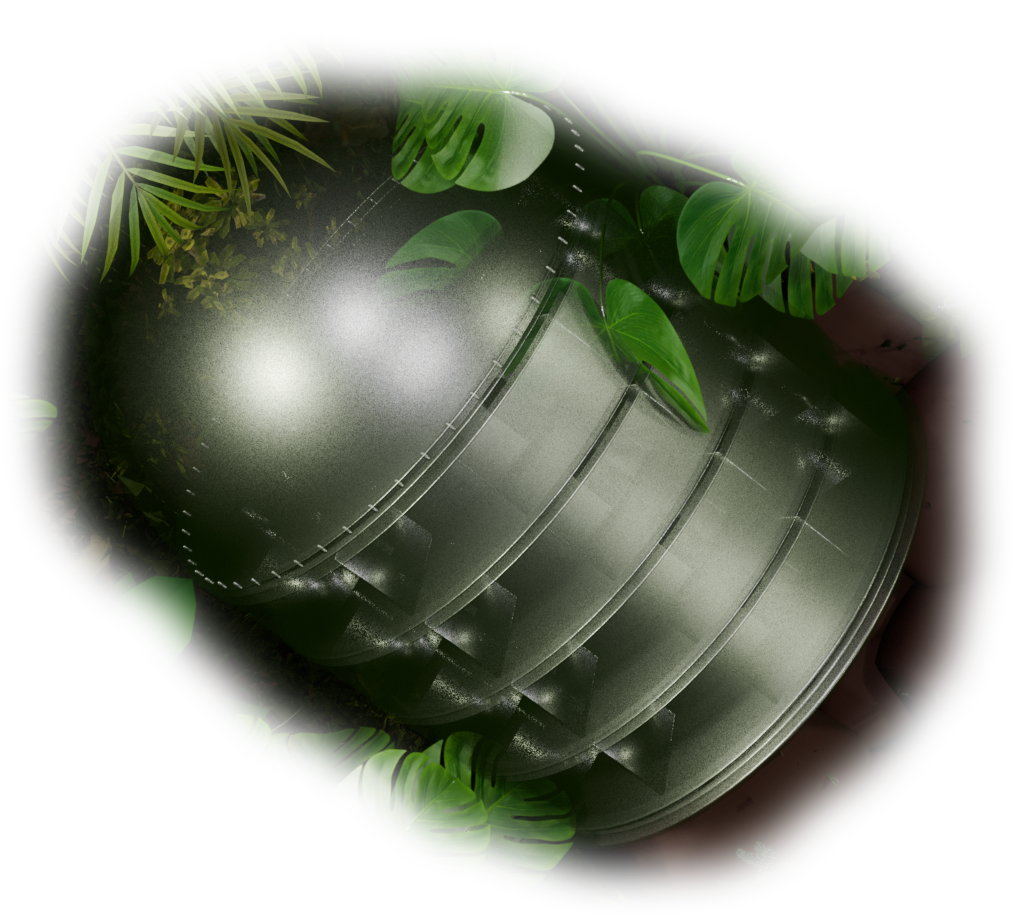
The Watchtower
The tower functions as a sentinel in the utopian world—always watching, always ready to correct.
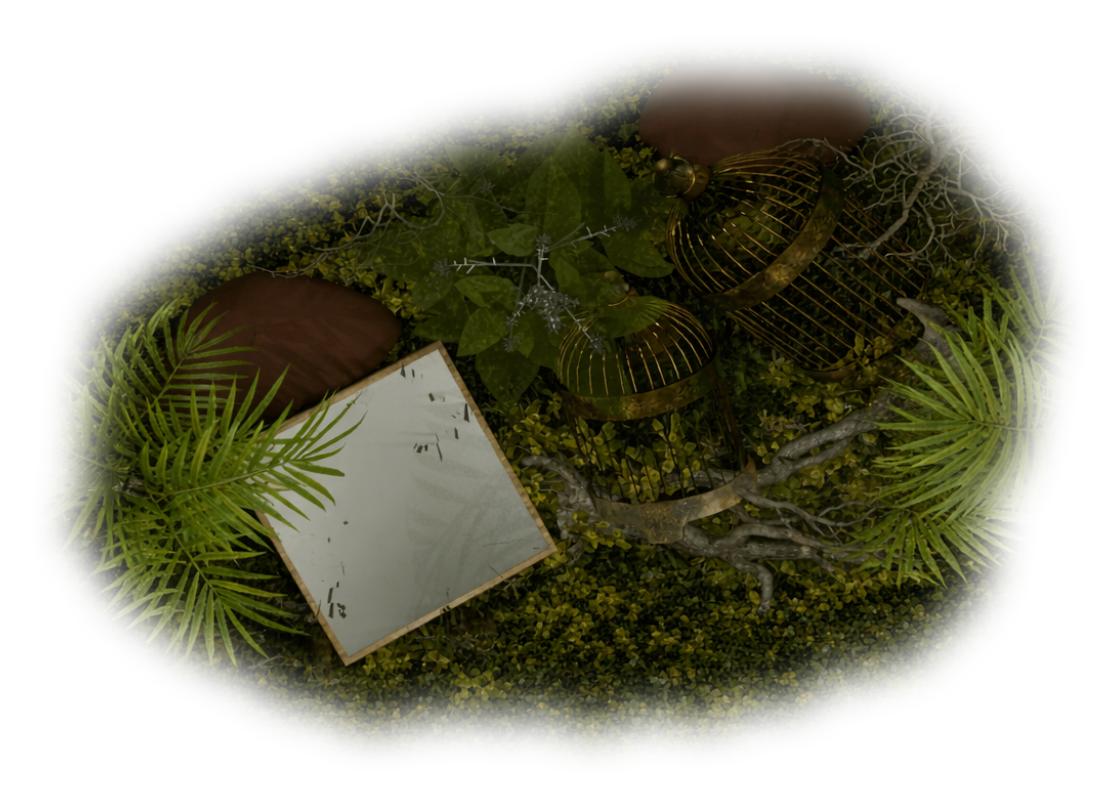
The Mirror & The Cages
The mirror represents a moment of introspection and a possibility of self-awareness. Positioned next to the cages, it questions whether the inhabitants of this society can see themselves clearly.
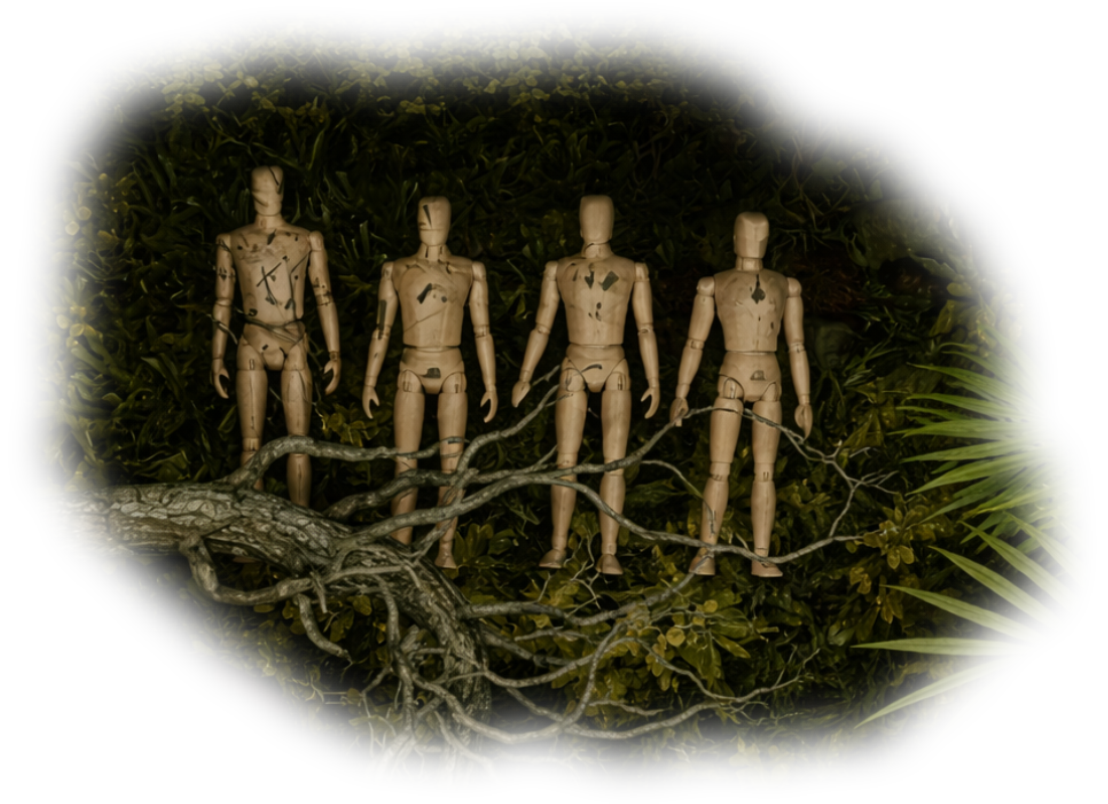
The Puppets
They represent standardized citizens in a controlled utopian society—individuals who appear human but have been stripped of their autonomy. Standing in uniform posture, they evoke a sense of sameness and compliance.
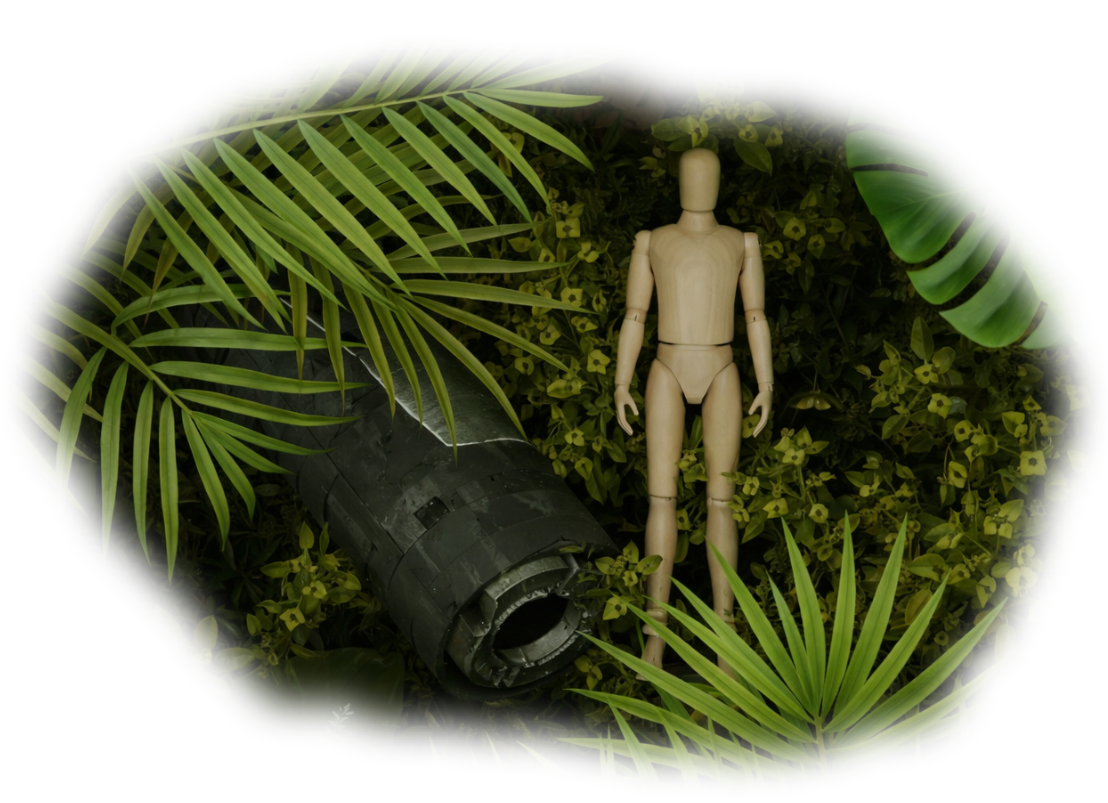
Surveillance Monitor and Puppet
The rigid, faceless puppet and cold machinery together reflect the subtle loss of personal identity within technological oversight. Raising questions about whether autonomy remains when behavior is constantly "observed for safety."
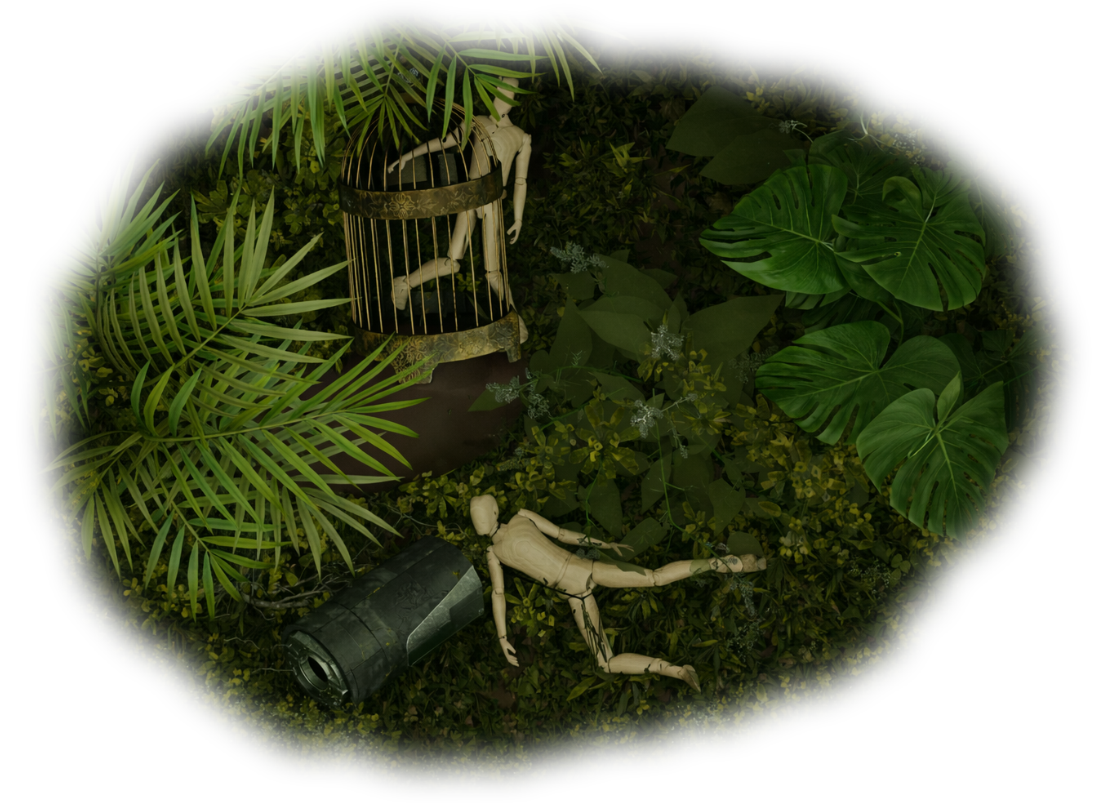
Puppets trapped in Cages
In a hyper-ordered utopia, individuality is tolerated only within very tight boundaries.
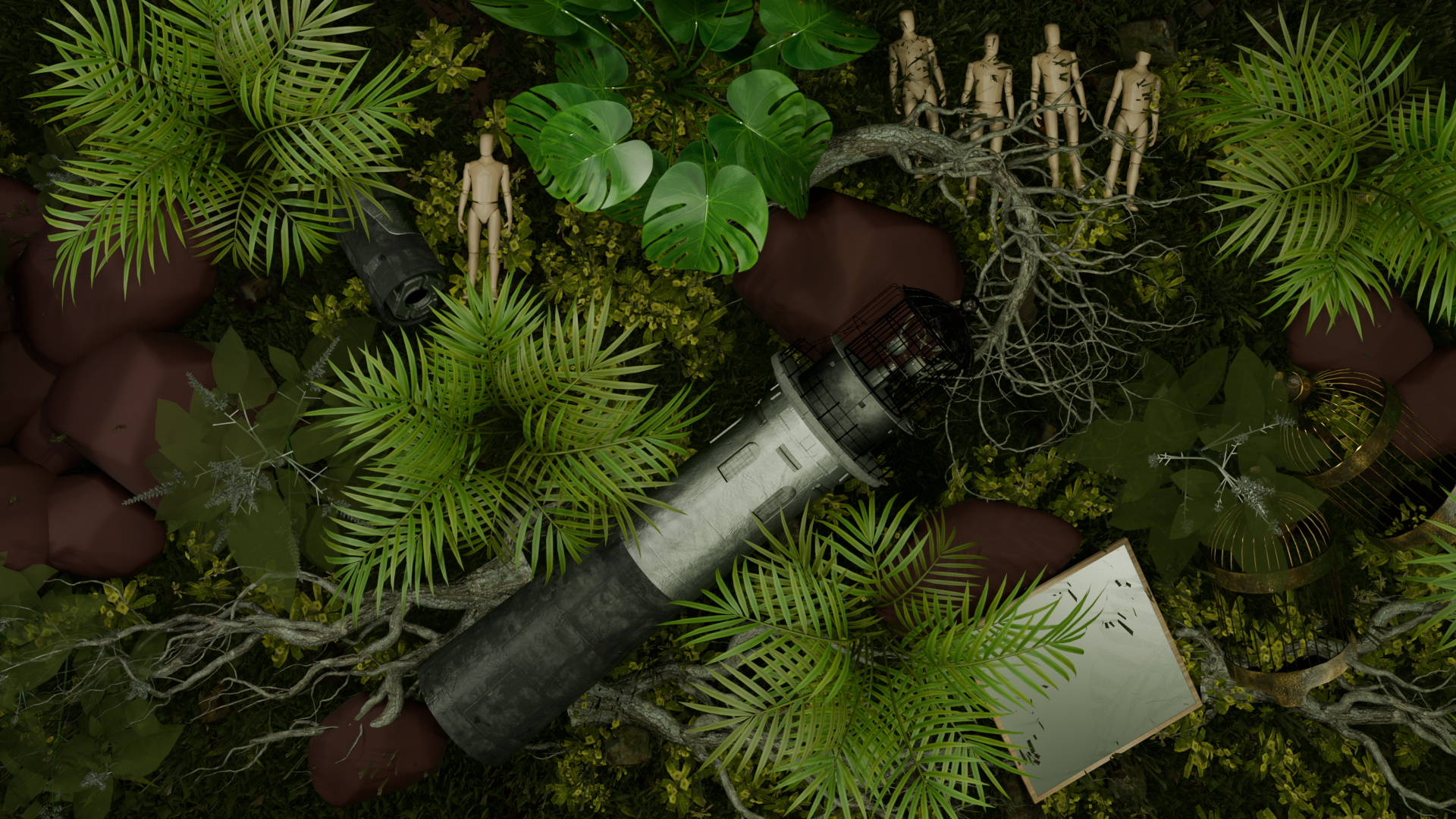
Nature as Disguise
The lush environment is not a sign of freedom, but a mask. By blending machinery with organic forms, the system disguises oppression as beauty, making rebellion feel like a violation of nature itself.
Final Form
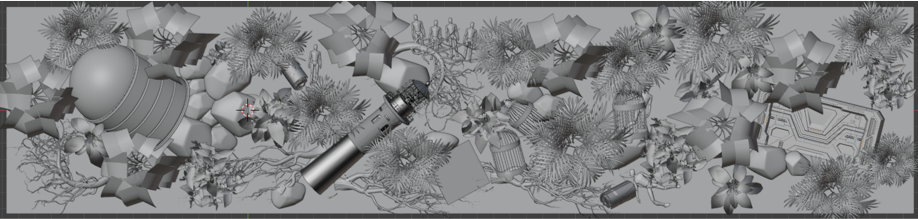
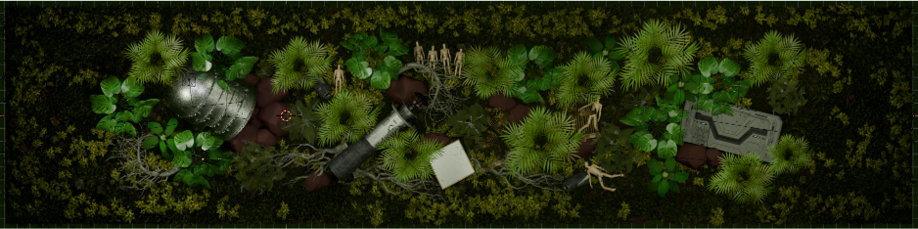
Reflection
This project was an exercise in visual storytelling over traditional narrative. Due to time constraints, the planned "Dystopia" scene was condensed, forcing a pivot to a more symbolic approach.
Focusing on the environment as the main character allowed for a more subtle critique. The static nature of the puppets and the stillness of the scene emphasize the stagnation of this "perfect" world, while the unfinished nature of the resistance mirrors the futility of the character's struggle.